
Who Is a Candidate for Eye Surgery Today?
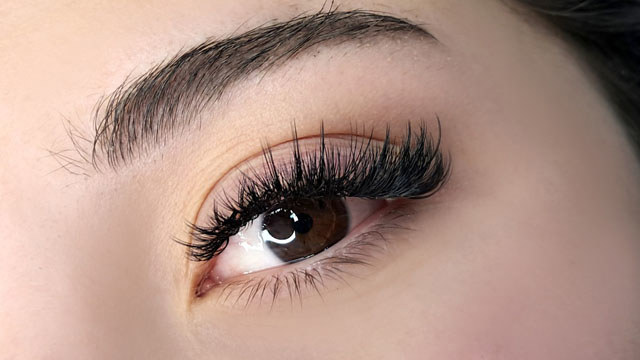
Eye surgery, particularly aesthetic eyelid procedures, has evolved into a highly personalized field within modern plastic surgery. At Beautiful Story Clinic, patients receive individualized assessments guided by Dr. Bit-na Seo, a board-certified plastic surgery specialist known for her patient-centered approach and emphasis on natural results. Located in Gangnam-gu, Seoul, the clinic integrates advanced techniques with a philosophy of “slow aging,” focusing on subtle, balanced enhancement rather than dramatic transformation.
This article explores who may be a suitable candidate for eye surgery today, including key considerations, treatment options, and realistic expectations.
Understanding Eye Concerns: A Condition Overview
The eye area is one of the first facial regions to show signs of aging or structural imbalance. Common concerns include:
- Drooping upper eyelids (ptosis) that may affect vision or create a tired appearance
- Under-eye bags or puffiness caused by fat protrusion or fluid retention
- Fine lines and skin laxity due to collagen loss
- Eyelid asymmetry or absence of a defined crease
- Excess skin (dermatochalasis) that contributes to a heavy or aged look
These concerns can be influenced by genetics, aging, lifestyle factors, or previous procedures. Modern eye surgery aims to address both functional and aesthetic aspects while preserving natural facial harmony.
What Is Eye Surgery? Treatment Overview
Eye surgery, commonly referred to as blepharoplasty, includes a range of procedures tailored to the upper and lower eyelids. At Beautiful Story Clinic, treatment plans are customized based on individual anatomy and goals.
Common Procedures Include:
- Upper BlepharoplastyRemoves excess skin and may improve vision obstruction caused by drooping eyelids.
- Lower BlepharoplastyAddresses under-eye bags, puffiness, and uneven contours through fat repositioning or removal.
- Double Eyelid Surgery (Asian Blepharoplasty)Creates or refines an eyelid crease for improved symmetry and definition.
- Ptosis CorrectionStrengthens eyelid muscles to restore proper eyelid height and function.
- Non-Incisional TechniquesSuitable for select patients seeking minimal downtime and subtle changes.
Rather than applying a one-size-fits-all method, the clinic emphasizes precise treatment design, adjusting surgical technique, incision placement, and tissue handling to each patient’s needs.
Who Is a Suitable Candidate for Eye Surgery?

Determining candidacy for eye surgery involves both medical and aesthetic evaluation. Ideal candidates typically include:
1. Individuals with Functional Concerns
Patients experiencing vision obstruction due to sagging eyelids or muscle weakness may benefit from corrective procedures such as ptosis repair.
2. Those with Noticeable Signs of Aging
Loose skin, wrinkles, or under-eye bags can be addressed through upper or lower blepharoplasty, particularly when non-surgical treatments are insufficient.
3. Patients Seeking Improved Eyelid Definition
Individuals without a defined eyelid crease or with asymmetry may consider double eyelid surgery for balanced results.
4. Adults in Good General Health
Candidates should not have uncontrolled medical conditions (such as severe dry eye syndrome, thyroid eye disease, or bleeding disorders) that may affect healing.
5. Individuals with Realistic Expectations
Understanding that results aim for natural enhancement rather than perfection is essential for satisfaction.
6. Patients Open to Personalized Treatment Planning
At Beautiful Story Clinic, candidacy is not determined by trends but by a detailed assessment of facial structure, skin quality, and long-term goals.
The Eye Surgery Process: What to Expect
The process at Beautiful Story Clinic is structured to ensure safety, clarity, and individualized care.
1. Consultation and Facial Analysis
Patients undergo a comprehensive evaluation, including facial symmetry analysis, eyelid function assessment, and discussion of personal goals.
2. Customized Treatment Planning
A tailored surgical plan is developed, considering technique selection, incision design, and expected outcomes.
3. Procedure Day
Eye surgery is typically performed under local anesthesia with sedation or general anesthesia, depending on complexity.
4. Recovery Phase
Initial swelling and bruising are expected but usually subside within 1–2 weeks. Sutures may be removed within several days.
5. Follow-Up and Monitoring
Post-operative care includes regular follow-ups to ensure proper healing and optimal results.
Expertise of Dr. Bit-na Seo

At the core of Beautiful Story Clinic’s approach is Dr. Bit-na Seo, whose background reflects both academic and clinical expertise. As a former clinical professor and active member of leading Korean plastic surgery societies, she emphasizes:
- Anatomy-based surgical planning
- Balanced aesthetic judgment
- Continuous education in advanced techniques
Her philosophy aligns with the clinic’s “slow aging” concept, focusing on subtle refinements that enhance rather than alter a patient’s natural features.
Strengths of Beautiful Story Clinic
Beautiful Story Clinic provides a structured environment designed for both safety and patient comfort. Key strengths include:
- Board-certified medical professionals with specialized expertise
- Advanced technology platforms, including devices for skin tightening and resurfacing
- Comprehensive aesthetic services, allowing combination treatments when appropriate
- Transparent consultations, ensuring patients understand risks and outcomes
- Multilingual support for international patients
The clinic’s integrated approach enables continuity of care from consultation through recovery.
Recovery, Safety, and Realistic Outcomes
Recovery from eye surgery varies depending on the procedure, but most patients can expect:
Recovery Timeline
- First 3–5 days: Swelling and mild discomfort
- 1–2 weeks: Visible bruising improves; return to daily activities
- Several weeks to months: Final results gradually become apparent
Safety Considerations
- Procedures are performed following strict medical protocols
- Preoperative screening helps reduce risk
- Postoperative instructions support proper healing
Realistic Outcomes
Modern eye surgery prioritizes natural, harmonious results. While improvements in eyelid contour, symmetry, and overall appearance are expected, outcomes depend on individual anatomy and healing response.
Patients are encouraged to view surgery as part of a broader aesthetic journey, often complemented by non-surgical treatments for skin quality and maintenance.
Final Thoughts
Eye surgery today is no longer defined by standardized techniques or dramatic changes. Instead, it is a patient-specific process that integrates anatomy, function, and aesthetics. At Beautiful Story Clinic in Gangnam-gu, Seoul, under the guidance of Dr. Bit-na Seo, candidacy is carefully evaluated to ensure each patient receives appropriate, personalized care.
For individuals considering eyelid procedures, understanding candidacy criteria, treatment options, and recovery expectations is an essential first step. A thorough consultation with a qualified specialist remains the most reliable way to determine the most suitable approach based on individual needs and goals.